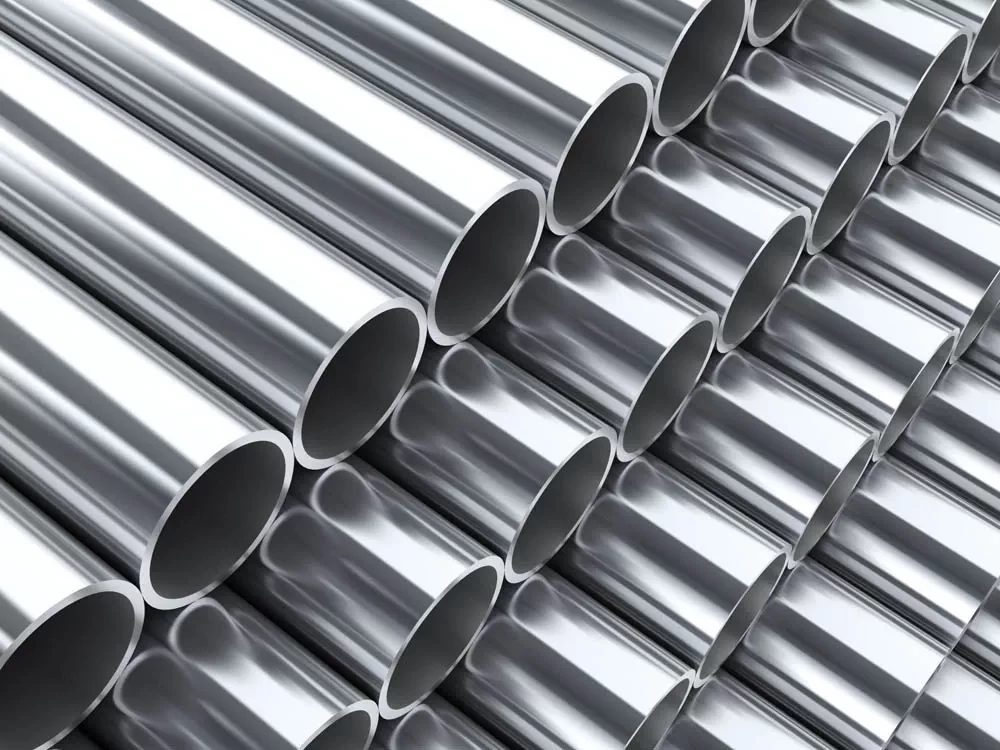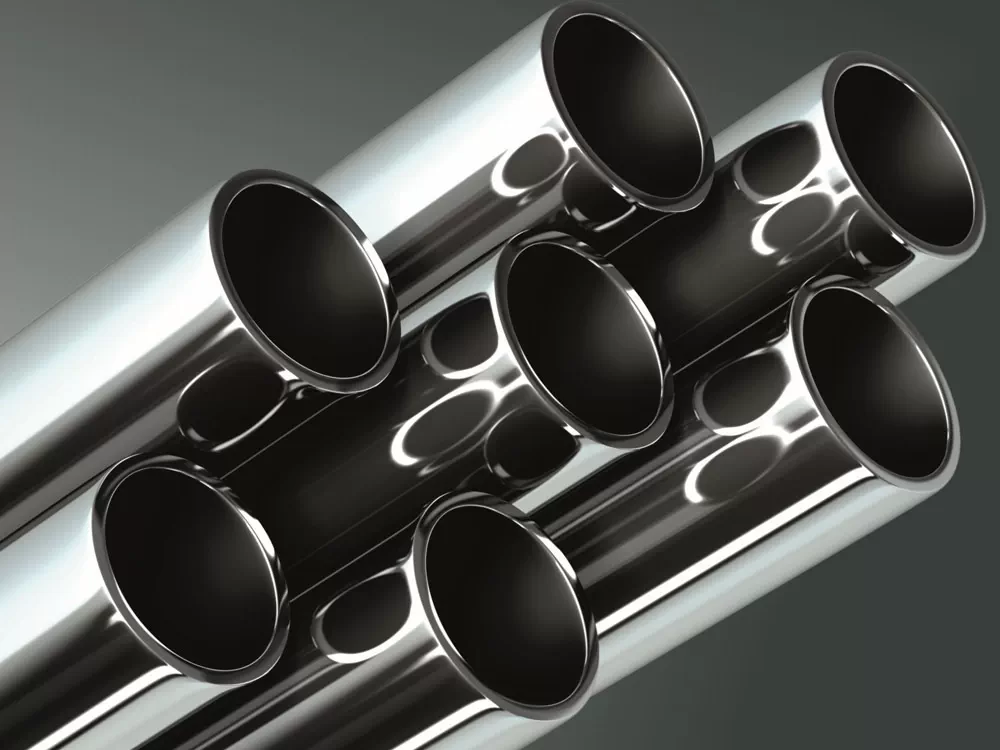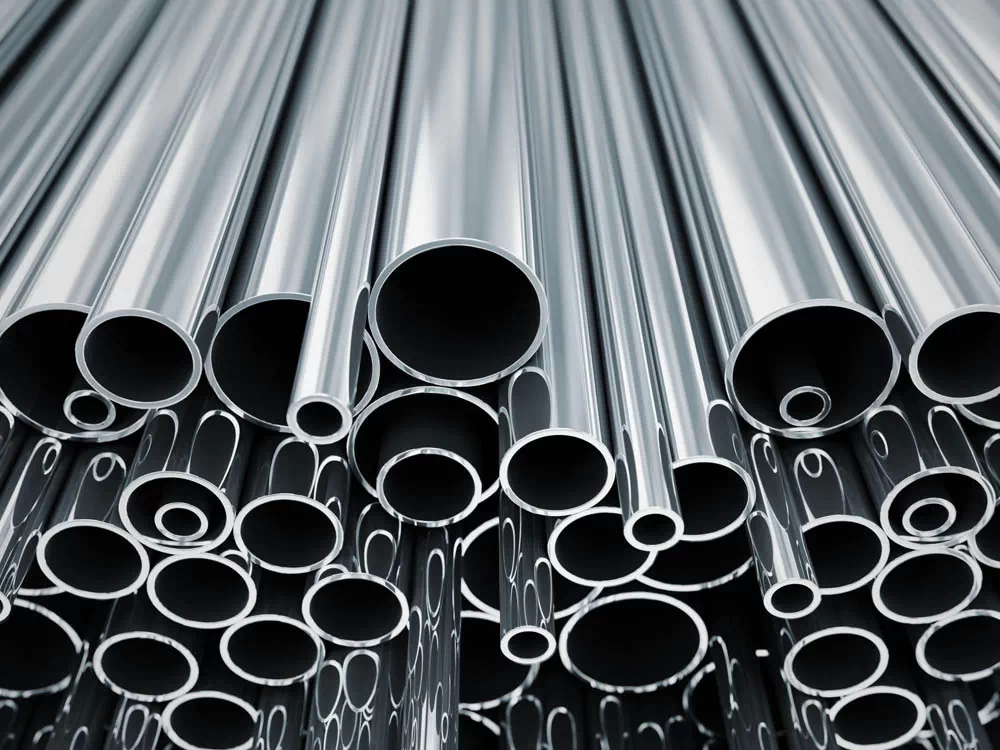
The processing capacity of stainless steel pipe benders varies depending on the machine type. Small manual or semi-automatic benders typically handle pipes with diameters ranging from Φ6mm to Φ50mm, medium hydraulic benders can process pipes from Φ20mm to Φ150mm, while large CNC pipe benders support diameters from Φ50mm to Φ300mm or even larger (custom molds may be required). Special industrial-grade equipment, when equipped with high-tonnage capacity and specialized molds, can process extra-large pipes exceeding Φ400mm.
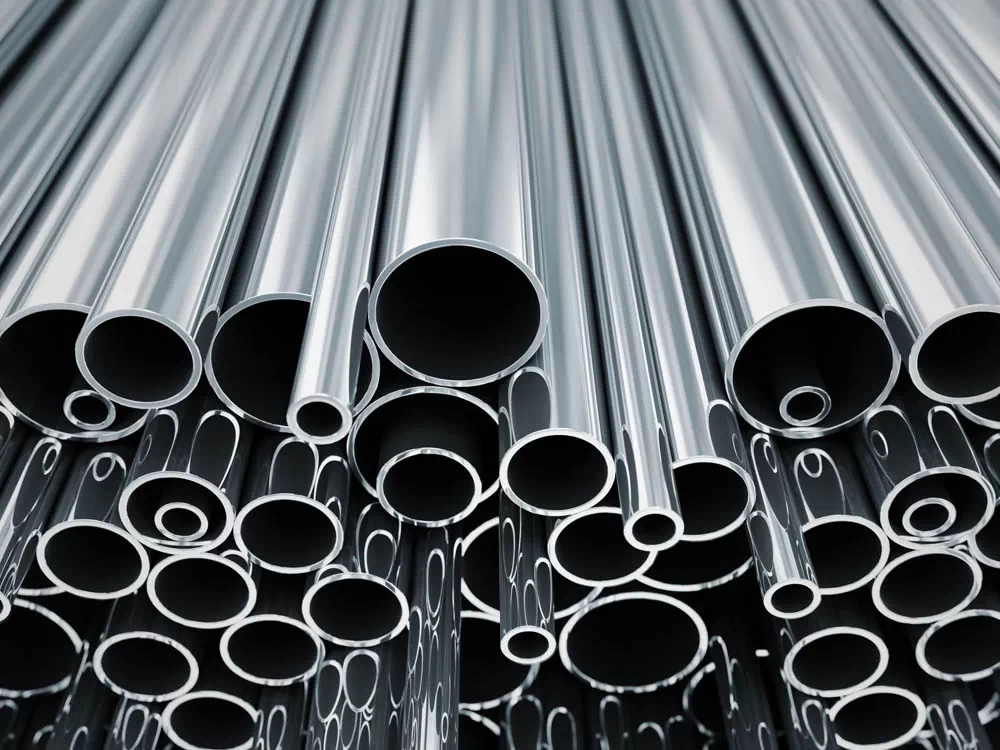
Stainless steel pipe benders generally process wall thicknesses between 0.5mm and 10mm, depending on factors such as material strength (e.g., the hardness difference between 304 and 316 stainless steel), bending radius (smaller radii require thinner walls to prevent wrinkling or cracking), and mold compatibility. Thicker pipes require higher-tonnage machines for stable forming.
The machine’s processing capability is primarily determined by its tonnage (e.g., 50-ton, 100-ton), with higher tonnage allowing larger pipe diameters and thicker walls. Mold compatibility is also crucial, as different pipe diameters require corresponding molds. CNC machines can adjust parameters via programming to accommodate more sizes. Additionally, the hardness and ductility of stainless steel (e.g., differences between 304 and 316) affect bending results and dimensional limits.
Different machines are suited for different pipe specifications. For example, Φ12–25mm pipes (wall thickness 0.5–2.0mm) are suitable for small manual or electric benders, often used in furniture or decorative piping. Φ25–80mm pipes (wall thickness 1.5–4.0mm) are typically processed by medium hydraulic benders for guardrails or mechanical structures. Φ80–150mm pipes (wall thickness 3.0–6.0mm) usually require large CNC benders for industrial pipelines or ship components, while pipes above Φ150mm (wall thickness 5.0–10.0mm) demand custom heavy-duty equipment with specialized molds.
In practice, manufacturers should be consulted to confirm the specific machine’s capabilities (e.g., certain models may only support pipes up to Φ60mm). Trial bending tests should be conducted before mass production to adjust pressure, speed, and other parameters for optimal quality. Additionally, pipes with excessively thin walls may deform, while overly thick walls can overload the machine, affecting its lifespan and bending precision.